Skip to content

SHOP ONLINE or CALL 📞 1300 246 406 | MON - FRI 7AM - 5PM

SHOP ONLINE or CALL 📞 1300 246 406 | MON - FRI 7AM - 5PM

Oil Pumps 12V

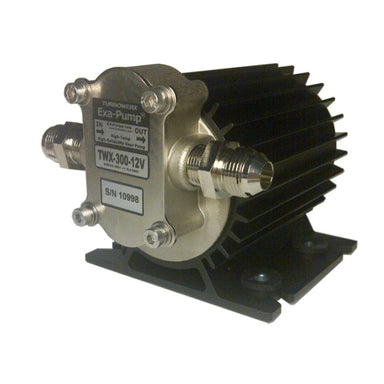
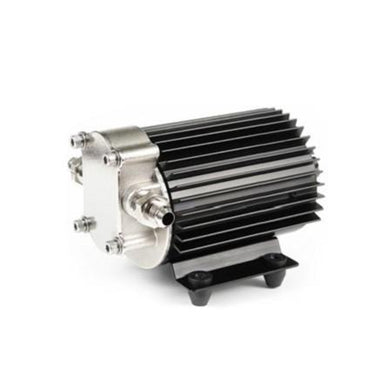
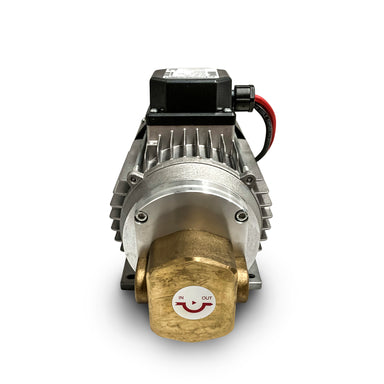
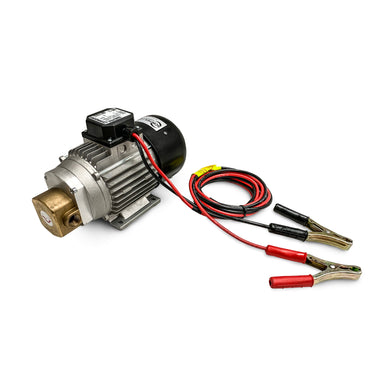
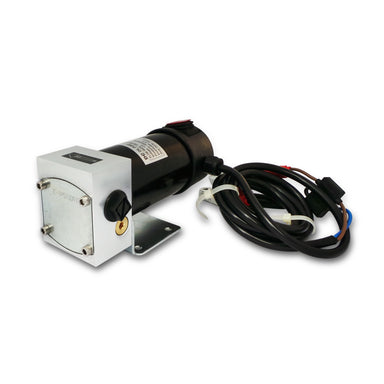
Most oil pumps in our range are gear pumps which can handle the higher viscosity and are long lasting and durable. However, this type of pump is generally slower than the diesel vane pumps in flow rate. They are suitable for a range of oils from motor oils, hydraulic oils, lubricants and vegetable oils. For pumping hot oils we recommend the Turbowerx pumps which have extensive cooling fins and can handle oil temperatures associated with turbo scavenge applications. For continuous duty oil transfer our industrial gear pumps are the pump of choice and come with a separate motor and pump connected by a coupling which drastically reduces heat transfer.
A 12V oil pump is useful for mobile servicing, workshop transfer and dispensing from drums or tanks where a vehicle battery or other suitable 12V DC supply is available. Applications may include engine oil, hydraulic oil and selected lubricants. The pump must be specifically rated for the oil viscosity and must not be used with petrol, solvents or incompatible chemicals.
Check the manufacturer’s viscosity range, flow rate, duty cycle, suction lift, port size and operating temperature. Thin warm oil transfers more easily than cold gear oil, so maximum flow figures may not reflect your application. Select a pump with adequate torque and hose diameter for the thickest oil and lowest temperature you expect to encounter.
Use a healthy 12V battery or regulated supply capable of delivering the pump’s rated current. Cable size, connection quality, polarity and fuse protection are critical, particularly with long leads. Voltage drop can cause slow operation, overheating and motor damage. Do not connect a 12V pump to a 24V system unless an approved voltage converter is used.
Many compact DC oil pumps are intermittent-duty rather than continuous-duty. Exceeding the stated duty cycle can overheat the motor, wiring and seals. Follow the individual model’s run and rest periods, and allow additional cooling time when pumping viscous oil, operating in hot weather or using restrictive hoses and meters.
Inspect leads, clips, fuse, earth connection, hose, nozzle, seals and filter regularly. Keep dirt out of the suction line, avoid running the pump dry and clean spills promptly. Stop use if the pump leaks, overheats, sparks or develops unusual noise, and store it protected from moisture and impact.