Skip to content

SHOP ONLINE or CALL 📞 1300 246 406 | MON - FRI 7AM - 5PM

SHOP ONLINE or CALL 📞 1300 246 406 | MON - FRI 7AM - 5PM

Tanks

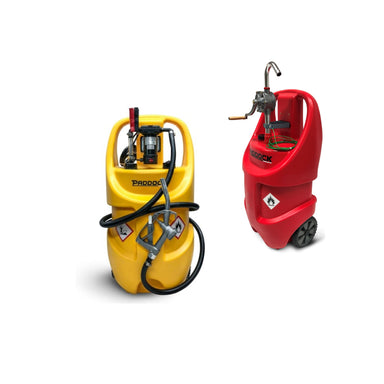
Scintex specialise in rotation moulded or rota-moulded tanks, in particular cone bottom tanks and fuel tanks, pods and packs. A range of sizes and options are available. These tanks are also opaque so you can see the level inside and also come with graduations. The Paddock range of ute tanks or pods for diesel and AdBlue come with 12V pumps making fueling equipment simple.

The new ute and trailer mounted diesel tank comes with tough poly construction, 12V self priming transfer pump and a 3 year warranty. View our latest product demonstration video for the ute & trailer mounted diesel tank.

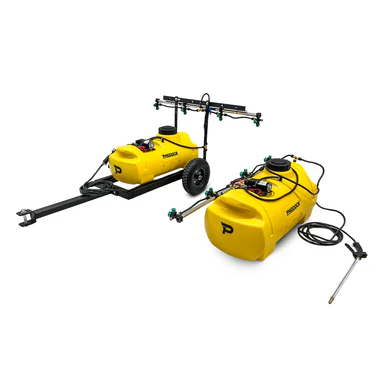
Scintex also supplies the Paddock range of spray tanks for ATV's, quad bikes and four wheelers. Available as a tow behind tank or mount directly on the back of all terrain vehicles, quad bikes, four wheelers and utes. Ideal for spraying herbicides, pesticides, clean water and more.

Start with the liquid being stored, required capacity, installation location and whether the tank will be stationary, vehicle-mounted or portable. Confirm the tank material, fittings, venting, temperature range and any approvals required for the application. A tank suitable for water is not automatically suitable for petrol, diesel, fertiliser or aggressive chemicals, so compatibility must be verified for the exact product.
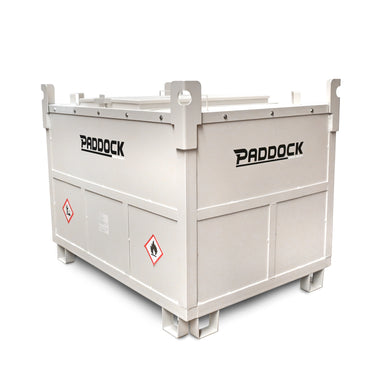
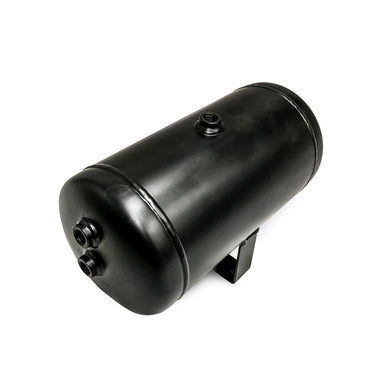
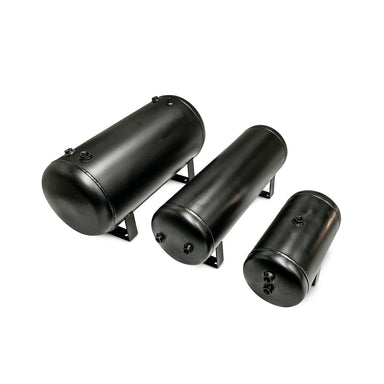
Polyethylene tanks are lightweight, corrosion-resistant and widely used for water and compatible chemicals. Steel tanks provide strength and are common in fuel and industrial applications but may require corrosion protection. Stainless steel offers excellent durability and cleanliness for selected fluids, though at a higher cost. The best material depends on chemical compatibility, impact exposure, temperature, weight and installation environment.
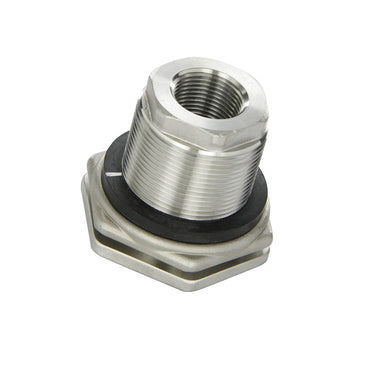
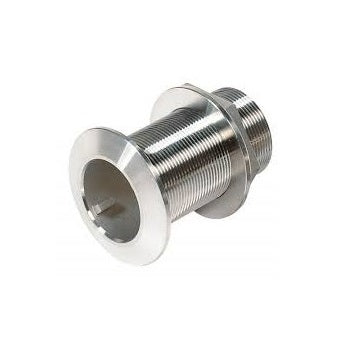
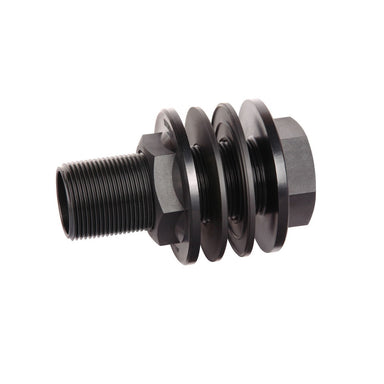
A complete installation may require tank outlets, bulkhead fittings, vents, fill points, isolation valves, strainers, level gauges, hoses, pumps, filters and mounting straps. Every component must match the tank connection, fluid, pressure and intended flow. Venting is particularly important because an incorrectly vented tank can deform, restrict flow or create unsafe pressure during filling and discharge.
Selected tanks are designed for mobile installation, but the tank, frame, restraints and vehicle must all be rated for the filled weight and operating conditions. Liquid movement affects handling and braking, so secure mounting and appropriate baffling are important. Account for payload, axle loads and applicable transport requirements, and never rely on improvised straps or unsupported mounting points.
Inspect the tank body, seams, mounts, straps, fittings, vents, hoses and valves for cracking, abrasion, corrosion, leaks or movement. Keep the tank clean and use only compatible cleaning products. Repair or replace damaged components promptly, protect tanks from excessive heat and impact, and avoid storing liquids for longer than recommended by the chemical or fuel supplier.