Skip to content

SHOP ONLINE or CALL 📞 1300 246 406 | MON - FRI 7AM - 5PM

SHOP ONLINE or CALL 📞 1300 246 406 | MON - FRI 7AM - 5PM

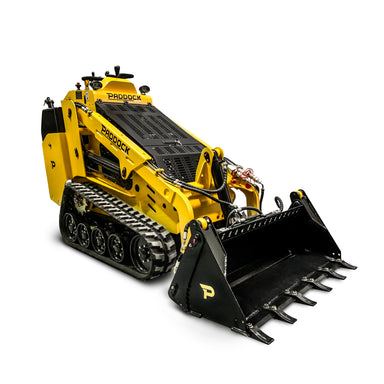
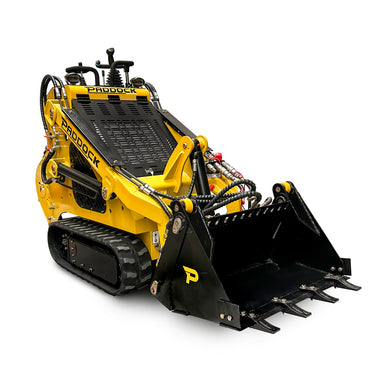
Mini Loaders

Paddock™ Diesel & Petrol Engine Mini Loaders are built to deliver exceptional power, reliability and versatility for demanding commercial, agricultural and construction applications. Powered by dependable Perkins, Yanmar, Kubota & Honda engines, these compact loaders provide outstanding lifting performance while maintaining a small footprint, making them ideal for working in confined spaces where larger machines simply can't operate. Compatible with a wide range of attachments including 4-in-1 buckets, augers, trenchers, pallet forks and more, Paddock mini loaders are designed to tackle everything from landscaping and earthmoving to property maintenance and material handling. Backed by local Australian support, spare parts and nationwide freight, Scintex offers high-quality diesel mini loaders that deliver professional performance and exceptional value.

Compare rated operating capacity, tipping load, lift height, machine width, track configuration, hydraulic flow and overall weight against your jobs and access constraints. A larger machine provides more lift and attachment capability but may be harder to transport or use in confined areas. Consider the heaviest attachment and load combination you expect to handle, not only the standard bucket.
Diesel engines generally provide strong low-speed torque and efficient fuel use during sustained, high-load operation, making them well suited to frequent trade, agricultural and contracting work. Petrol models may be lighter and simpler for intermittent use. The better choice depends on expected hours, load, servicing access, transport limits and the operating environment rather than fuel type alone.
Compatible options may include buckets, pallet forks, augers, trenchers, grapples, sweepers, slashers and other hydraulic or non-powered tools. Compatibility depends on hitch geometry, hydraulic pressure and flow, hose couplings, attachment weight and machine stability. Some attachments also require case drains or electrical controls. Confirm every attachment against the exact loader model before connection.
Use a trailer and tow vehicle with adequate aggregate capacity, correct load distribution and compliant tie-down points. Lower the attachment, relieve hydraulic pressure, apply the parking brake and secure the machine against forward, rearward and sideways movement using rated restraints. Account for the machine, attachments, fuel and trailer when calculating total weight, and follow applicable road and load-restraint requirements.
Inspect fluid levels, fuel and hydraulic leaks, hoses, tracks, rollers, drive components, pins, attachment locks, controls, warning devices and safety interlocks. Remove packed debris from the engine bay and undercarriage, check track tension and ensure the work area is clear. Do not operate with damaged restraints, guards, hoses or controls, or when unusual noise, smoke or overheating is present.