Skip to content

SHOP ONLINE or CALL 📞 1300 246 406 | MON - FRI 7AM - 5PM

SHOP ONLINE or CALL 📞 1300 246 406 | MON - FRI 7AM - 5PM

24V Pumps

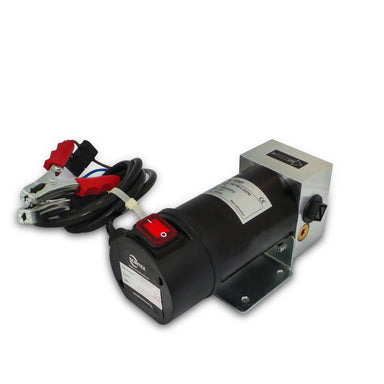
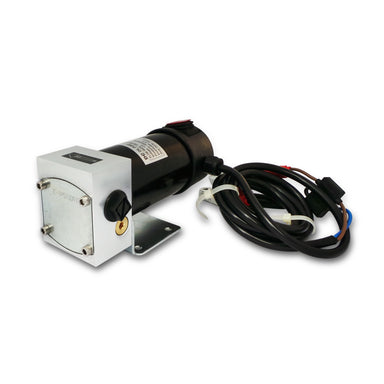
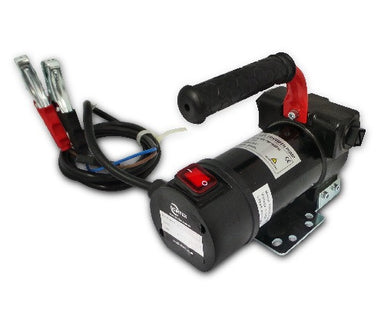
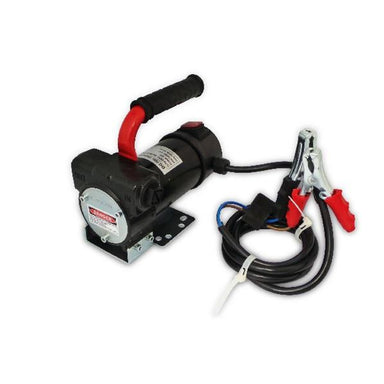
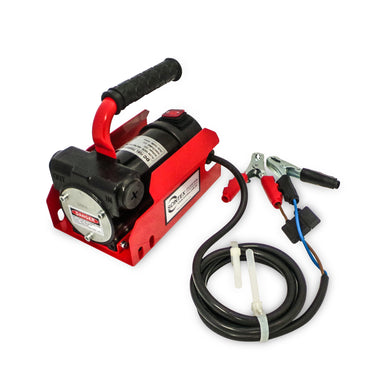
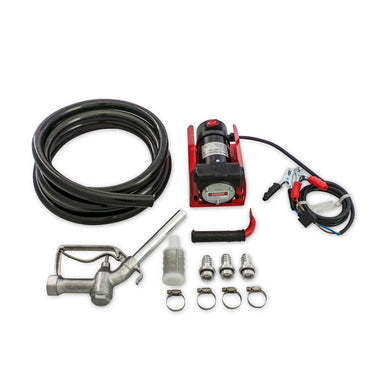
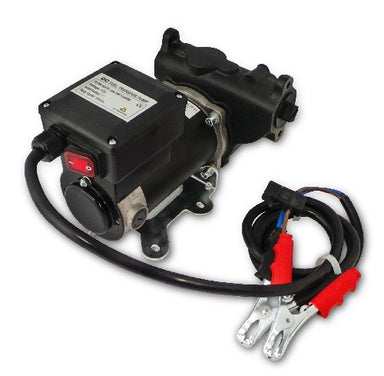
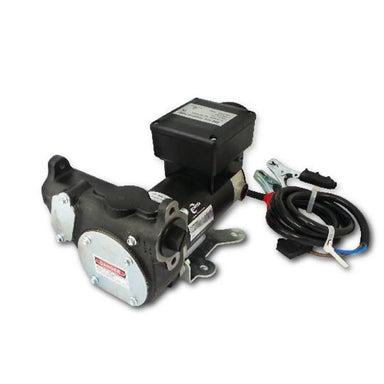
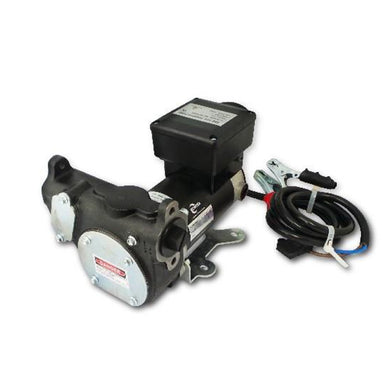
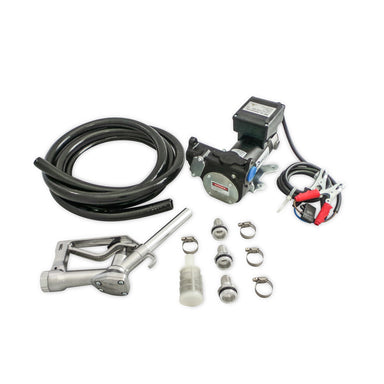
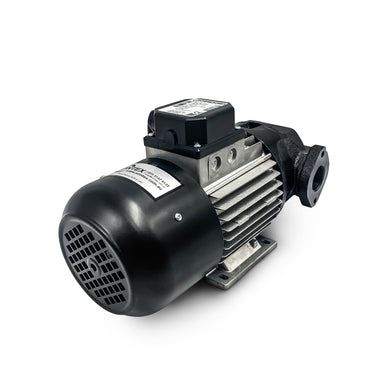
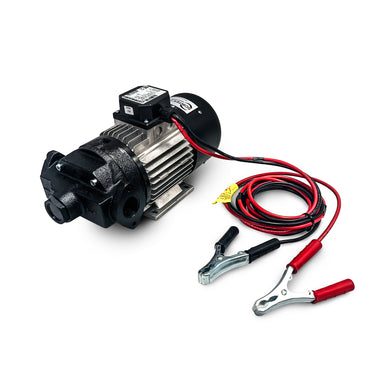
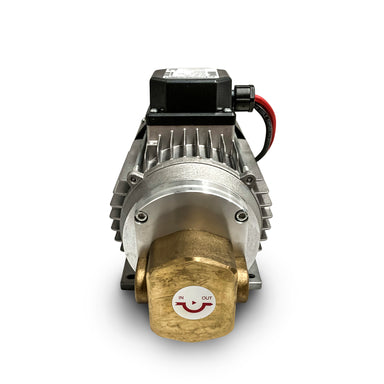
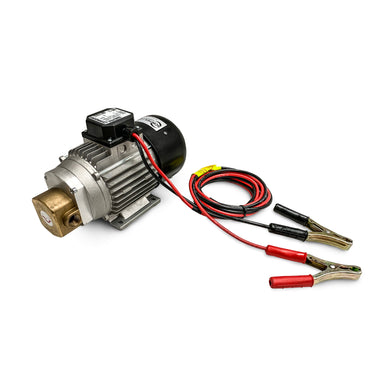
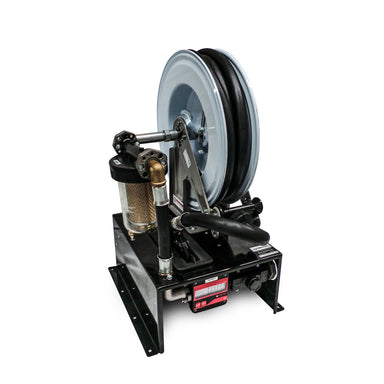
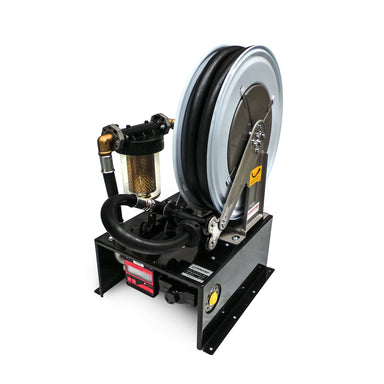
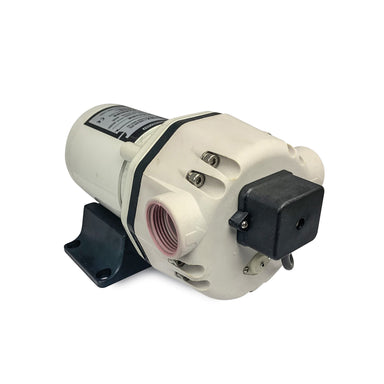
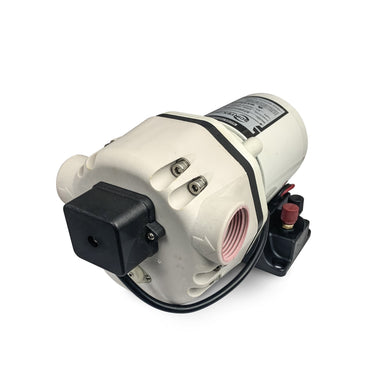
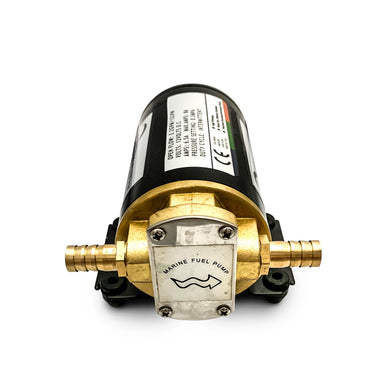
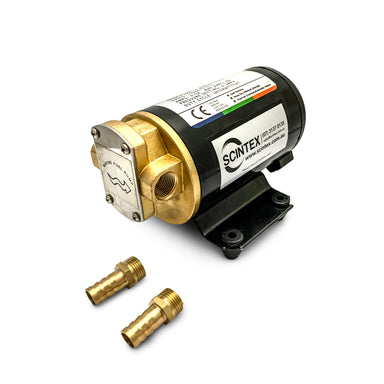
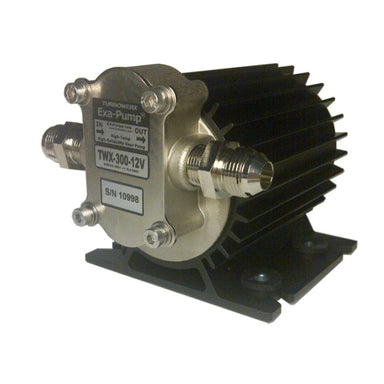
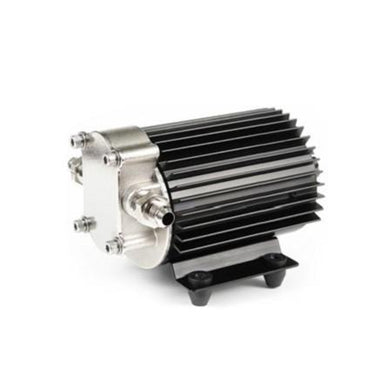
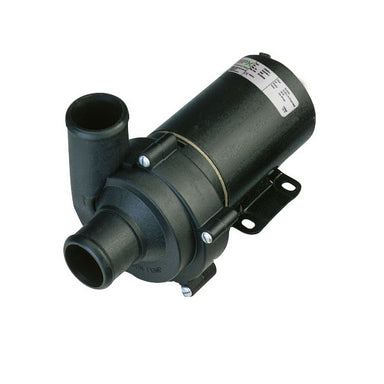
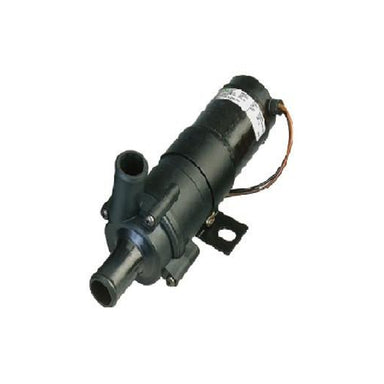
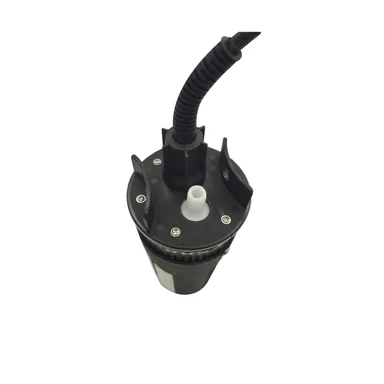
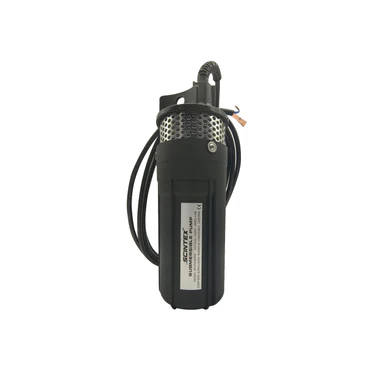
24V pumps. Electric vane and gear pumps which can transfer fuels, diesel, oils, biodiesel, unleaded, petrol, avgas and other fluids. These pumps cover a wide range of applications and industries from home use, automotive and mechanics, agriculture & farming, workshops and depots to refueling generators, machinery and mining equipment. Selecting the correct pump for your application is essential to provide a safe and long lasting fuel transfer solution. The Scintex pump range will normally offer 12V and 24V options with the 24 Volt pumps having lower current draw and longer duty cycles.
Trucks, buses and many items of heavy equipment use 24V electrical systems, so a 24V pump can connect directly to the vehicle’s normal supply. For a comparable power output, a 24V motor generally draws less current than a 12V version, which can reduce voltage drop and cable heating. The actual wiring size, fuse and duty cycle must still follow the specifications for the selected pump.
Not necessarily. Voltage alone does not determine flow. Pump design, motor power, speed, pressure, hose size and the liquid being transferred all affect output. Scintex often offers related pumps in both 12V and 24V versions with similar hydraulic performance. Select the voltage to match the power system, then compare the stated flow, pressure and duty rating for the job.
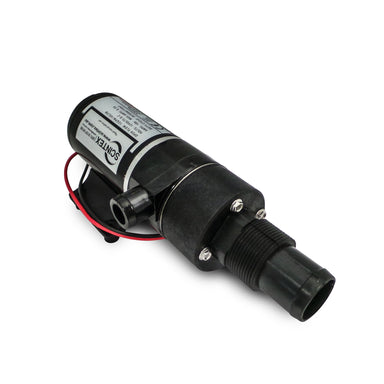
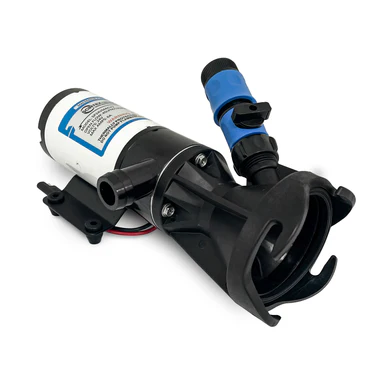
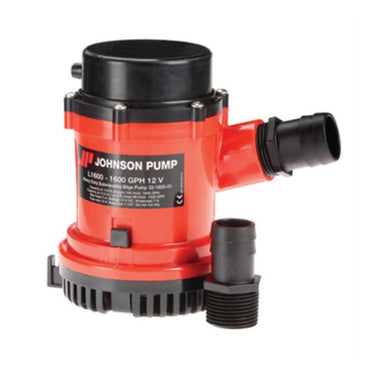
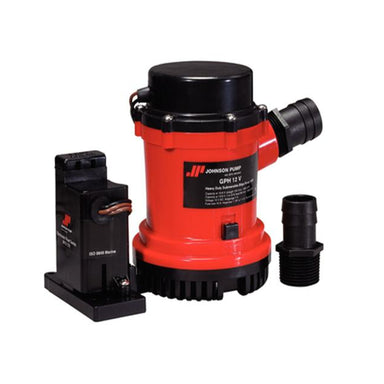
The collection includes specialised pumps for diesel, petrol, oils and lubricants, water, bilge and wash-down duties, sewage maceration and selected chemicals. No single pump is suitable for every fluid. Confirm the approved liquid, temperature, viscosity and material compatibility on the individual product page, particularly when transferring petrol, aggressive chemicals or thick oils.
Yes, two suitable 12V batteries can provide 24V when connected in series, but the installation must be configured correctly. The batteries should be compatible and in similar condition, with the pump connected across the full 24V supply rather than to one battery. Incorrect connections can damage the pump or vehicle electrical system, so seek qualified assistance when the arrangement is not straightforward.
Common causes include undersized cable, long cable runs, loose or corroded terminals, inadequate earth connections and a weak battery supply. Voltage drop can make a pump run slowly, overheat or fail to start under load. Use the cable size and circuit protection recommended for the pump, minimise unnecessary cable length and check voltage at the motor while the pump is operating.