Skip to content

SHOP ONLINE or CALL 📞 1300 246 406 | MON - FRI 7AM - 5PM

SHOP ONLINE or CALL 📞 1300 246 406 | MON - FRI 7AM - 5PM

Oil Pumps 240V

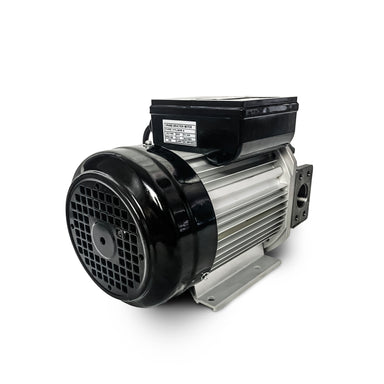
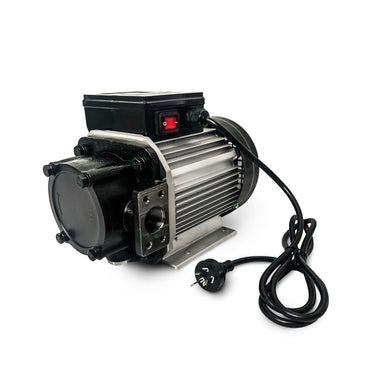
240V oil pumps will provide higher flow rates than the DC powered oil pumps as more power is available. The pumps will run fans blowing over cooling fans to reduce heat, increase the duty cycle and in many cases allow the pump to run continuously even when pumping viscous oils. For pumping oil we choose gear pumps due to their simplicity, ease of maintenance and ability to handle high pressure and high weight oils. All pumps in this range can easily handle pumping diesel and lighter oils such as vegetable oils. For light industrial use Scintex has a mounted pump and drive unit connected by a coupling. This prevents heat transfer from the pumping liquid to the motor and allows for continuous operation. The weeping shaft provides for good lubrication.
A 240V oil pump suits fixed workshop, depot and industrial installations where mains power is available and regular oil transfer is required. It avoids dependence on vehicle batteries and can provide consistent output for drums, bulk tanks or lubrication systems. Confirm that the model is designed for the oil viscosity, flow, pressure and intended duty cycle.
Suitability varies by pump type and wetted materials. Selected models may transfer engine oil, hydraulic oil, transmission fluid, gear oil or other lubricants within a stated viscosity range. Cold or highly viscous oils require more torque and reduce flow. Never assume compatibility from the connection size alone, and do not use an oil pump for flammable fuels unless expressly approved.
Long small-bore hoses, restrictive filters, tight elbows and undersized meters can substantially reduce flow, especially with thick oil. Select accessories with adequate internal bore, pressure rating and fluid compatibility. Keep the suction side short and airtight, and size filters so they protect the pump without creating excessive restriction as they load with contamination.
Confirm the power supply, plug, circuit protection, earthing, mounting, ventilation and protection from spills or impact. Permanent wiring and electrical repairs should be completed by a suitably qualified person. Support pipework independently so the pump ports do not carry excessive weight, and provide isolation or bypass protection where required by the system design.
Inspect the power lead, switch, hose, fittings, seals, filter and mounting hardware regularly. Keep the pump clean, avoid dry running and operate within its rated duty cycle and viscosity range. Isolate power before servicing and investigate leaks, overheating, unusual vibration or declining flow before further operation.