

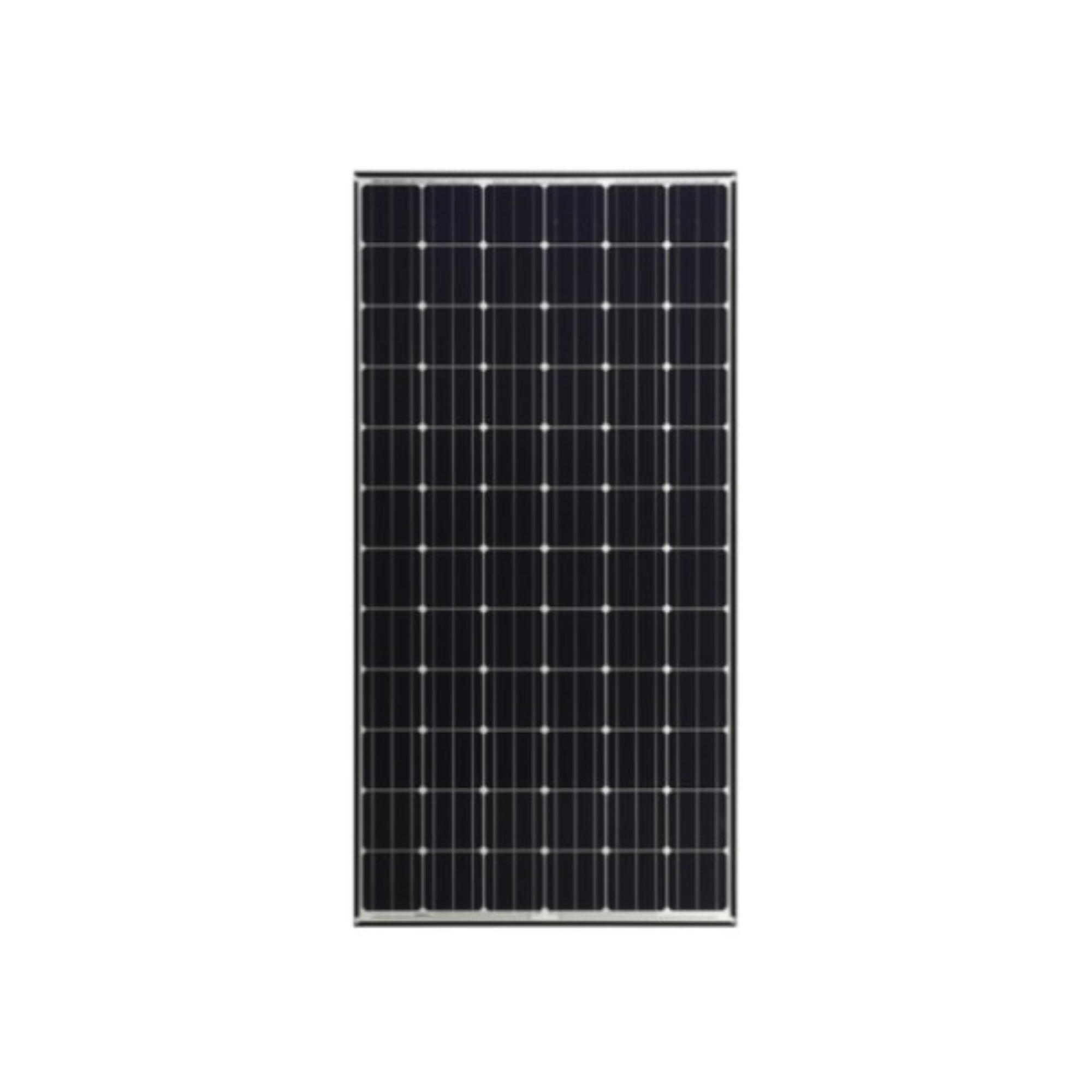

Enerdrive Fixed Mono Solar Panels
Description
The Enerdrive Fixed Mono Solar Panel range offers a reliable solution for off-grid power, battery charging and remote equipment installations. Available in 100W, 190W and 200W models, these rigid monocrystalline solar panels are well suited to farms, caravans, RVs, boats, sheds, remote water pumping systems and other permanent solar installations.
The panels combine compact dimensions with practical power output, making them manageable for transport, installation and maintenance while delivering dependable solar generation in Australian conditions.
Enerdrive Fixed Monocrystalline Solar Panels

- 100W, 190W and 200W models available
- High-efficiency monocrystalline solar cells
- Suitable for fixed off-grid installations
- Ideal for battery charging and remote power systems
- Can be used with compatible solar water pumping systems
- No moving parts and minimal routine maintenance
- Manageable panel sizes for DIY and mobile installations
- Black frame construction
- Suitable for caravans, RVs, boats, farms and remote properties
Reliable Solar Power for Off-Grid Applications
Fixed solar panels provide a simple and reliable way to generate electrical power wherever suitable sunlight is available.
With no moving parts, solar panels require very little maintenance and can form the basis of a long-term off-grid electrical system.
Common applications include:
- Charging 12V and 24V battery banks
- Caravans and RVs
- Marine and boat installations
- Remote farm and acreage power
- Water pumping systems
- Stock watering systems
- Remote sheds and workshops
- Camping and touring setups
- Lighting and communications equipment
- Off-grid appliances when used with a suitable battery and inverter system
100W, 190W or 200W Solar Panel?
The best panel depends on the available installation area, required power generation and the voltage range of the solar controller or equipment being supplied.
100W Panel: A compact option for smaller battery charging systems, camping setups, auxiliary power and installations where roof or mounting space is limited.
190W Panel: Provides substantially more output while retaining a nominal voltage suited to many 12V battery charging systems when paired with an appropriate solar regulator.
200W Panel: Features a higher operating voltage and is commonly referred to as a 24V nominal panel. It can be useful for higher-voltage solar arrays, compatible MPPT charging systems and selected direct solar-powered equipment.
Important: A solar panel should not normally be connected directly to a battery without a suitable solar charge controller. Always check the voltage and current limits of the connected controller or equipment.
Nominal Panel Voltage Explained
The terms 12V panel and 24V panel describe the type of electrical system the panel is typically designed to work with. They do not mean the panel produces exactly 12V or 24V.
For example:
- The 100W panel has a maximum power voltage of approximately 18.7V.
- The 190W panel has a maximum power voltage of approximately 20V.
- The 200W panel has a maximum power voltage of approximately 37.3V.
The higher panel voltage allows a solar regulator to convert the available solar power into the voltage required for charging the connected battery bank.
Solar Panels for Water Pumps
Solar panels are commonly used to power remote water pumping systems where mains electricity is unavailable.
Depending on the pump design, panels may be connected to:
- A solar pump controller
- An MPPT controller
- A battery charging system
- A suitable direct-solar DC pump
Always check the pump or controller's allowable input voltage, current and power requirements before selecting the number and wiring arrangement of solar panels.
Series & Parallel Solar Panel Wiring
Multiple solar panels can be connected in series or parallel depending on the required system voltage and current.
Series wiring increases array voltage while current remains approximately the same.
Parallel wiring increases available current while voltage remains approximately the same.
When designing an array, ensure the combined open-circuit voltage and short-circuit current remain within the ratings of the solar controller and other electrical equipment.
Enerdrive Solar Panel Specifications
| Specification | EN100W-B-12V | EN190W-B-12V | SP-EN200W-B-24V |
|---|---|---|---|
| Frame | Black | Black | Black |
| Maximum Power | 100W | 190W | 200W |
| Power Tolerance | -1% to +3% | ±5% | -1% to +3% |
| Maximum Power Voltage (Vmp) | 18.7V | 20V | 37.3V |
| Maximum Power Current (Imp) | 5.35A | 9.5A | 5.37A |
| Open Circuit Voltage (Voc) | 22.6V | 24.8V | 43.7V |
| Short Circuit Current (Isc) | 5.69A | 10.07A | 6.05A |
| Maximum System Voltage | 1000V DC | 1000V DC | 1000V DC |
| Dimensions | 1195 x 541 x 35mm | 1500 x 680 x 35mm | 1580 x 808 x 40mm |
| Weight | 8.1kg | 11.5kg | 15kg |
| Standard Test Conditions | 1000W/m², AM1.5, 25°C | 1000W/m², AM1.5, 25°C | 1000W/m², AM1.5, 25°C |
Note: Specifications are subject to change without notice.
Understanding Solar Panel Ratings
Solar panel wattage is measured under Standard Test Conditions (STC). Actual output in the field will vary with environmental and installation conditions.
Factors affecting solar output include:
- Available sunlight
- Panel orientation
- Panel angle
- Shading
- Panel temperature
- Dirt and contamination on the panel surface
- Cabling losses
- Solar controller efficiency
A 200W rated panel will therefore not necessarily produce 200W continuously throughout the day.
Panel Positioning
For best performance, install the panel where it receives maximum available sunlight and is not shaded by roof fixtures, trees, antennas or surrounding structures.
Even partial shading can substantially reduce the output of a solar panel or array.
Fixed installations should be positioned and angled to suit the location and intended seasonal use wherever practical.
Low Maintenance Solar Generation
Solar panels contain no moving components, making routine maintenance relatively simple.
Periodically inspect:
- Panel cleanliness
- Mounting hardware
- Electrical connections
- Cabling condition
- Connectors and junction points
- Signs of physical damage
Keeping the panel surface clean and free from heavy dust, leaves and bird droppings helps maintain solar output.
Enerdrive Specification Sheets
100W Solar Panel Specification Sheet
190W Solar Panel Specification Sheet
200W Solar Panel Specification Sheet
Important Installation Notes
Charge controller: When charging batteries, use a suitable solar charge controller matched to the panel array and battery chemistry.
Voltage limits: Check the maximum input voltage of the solar controller before connecting panels in series. Array open-circuit voltage must remain within the controller's allowable limits, including under cold-weather conditions.
Current capacity: Cables, connectors, fuses and isolators must be appropriately rated for the expected solar current.
Mounting: Panels should be securely mounted using hardware suitable for the vehicle, building or structure and the expected wind loads.
Electrical installation: Larger or permanent solar installations may be subject to electrical standards and licensing requirements. Use a suitably qualified installer where required.