Skip to content

SHOP ONLINE or CALL 📞 1300 246 406 | MON - FRI 7AM - 5PM

SHOP ONLINE or CALL 📞 1300 246 406 | MON - FRI 7AM - 5PM

Sweepers

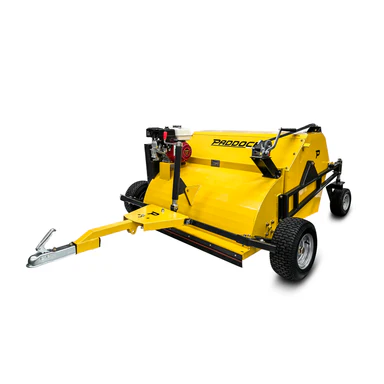
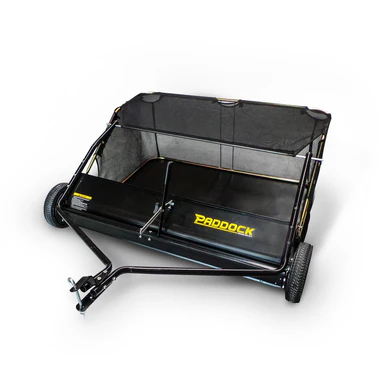
A range of tow behind lawn sweepers by Paddock Machinery. Includes a model propelled by the wheels which is ideal for ride on mowers, quad bikes and ATVs through to a Honda powered sweeper suitable for larger areas. Fast shipping Australia wide.

The extra wide sweepers attach to the back of your quad bike, ATV or ride on mower picking up leaves and debris with ease. Save hours on raking leaves and small branches.

Ideal for people with medium to large yards, small farms or acreage - if you own a ride on mower you need one of these lawn sweepers for the perfect yard presentation.

View our Lawn Sweeper Product Demonstration here:

Polypropylene bristles suit general dirt, leaves, gravel and light debris because they resist moisture and are less aggressive on finished surfaces. Wire bristles provide stronger cutting action for compacted mud, heavy industrial debris and material lodged in rough concrete, but they can scratch coatings, pavers and softer surfaces. Mixed brushes combine sweeping volume with additional bite and are a useful compromise for yards and construction sites. The correct brush depends on the surface and debris, not just machine power. Using wire where it is unnecessary can increase surface damage, bristle wear and replacement cost.
The brush may be rotating too fast, set too deeply or travelling too quickly for the hopper and brush design. Excessive down-pressure bends the bristles backwards, reducing their flicking action and causing rapid wear. A full hopper, worn cutting edge, incorrect rotation direction or large debris can also prevent collection. Start with the brush just contacting the surface, use moderate engine or hydraulic speed and adjust travel speed until debris moves cleanly into the hopper. Sweep heavy material in more than one pass rather than trying to collect the full depth at once.
Only enough pressure is needed to produce a visible contact pattern across the brush width. The bristle tips do the sweeping; forcing the full bristle length onto the ground creates drag, heat and uneven wear without improving collection. A common field check is to lower the stationary brush briefly onto a clean surface and inspect the contact mark. If the pattern is very wide, the brush is probably set too low. Recheck adjustment as the bristles wear and whenever changing attachment angle, machine tyre pressure or operating surface.
Uneven wear usually points to incorrect levelling, excessive pressure on one side, a bent mounting frame, worn pivot bushes or repeatedly sweeping with the attachment angled in one direction. Crowned roads and gutters naturally load one end more heavily. Check that the carrier machine is level, tyre pressures are equal and the attachment plate is fully locked. Rotate or reposition brush sections where the design allows, and correct the cause before installing new bristles. Continuing to run an uneven brush can overload bearings and leave strips of debris behind.
A collection sweeper is preferable where debris must be picked up and removed, such as warehouses, car parks, food sites, workshops and finished developments. An angle broom moves material to one side and is generally faster for windrowing dirt, gravel, snow or construction debris before a loader collects it. Collection units control debris better but require hopper capacity, dumping access and more maintenance. Angle brooms are simpler and productive over long runs, but can create dust and may require additional passes. Base the choice on where the debris needs to finish, not only on the area to be swept.