Skip to content

SHOP ONLINE or CALL 📞 1300 246 406 | MON - FRI 7AM - 5PM

SHOP ONLINE or CALL 📞 1300 246 406 | MON - FRI 7AM - 5PM

Pneumatic Diaphragm Pumps

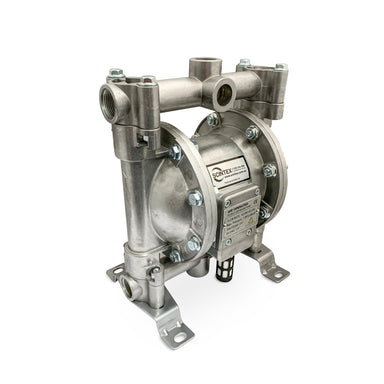
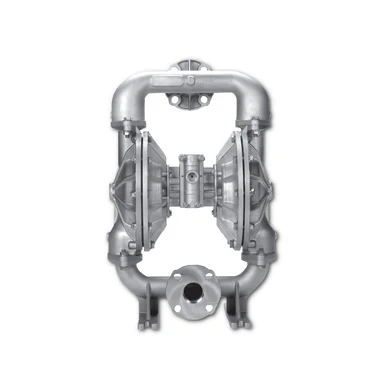
Pneumatic air operated diaphragm pumps can be used on most air compressors and workshop air supply lines. Datasheets are available to match the air flow / pressure required to your flow rate and pump needs. Ideal for transferring oils and motor oils, diesel, unleaded petrol and AdBlue. Many liquids can be pumped in this way as there is no chance of spark or ignition as seen with electric pumps. Pneumatic pumps are popular with mechanics and diesel fitters as well as general industry, farm and workshop use.

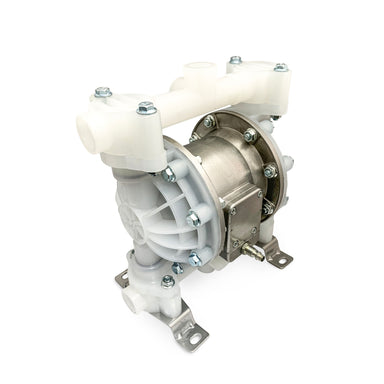
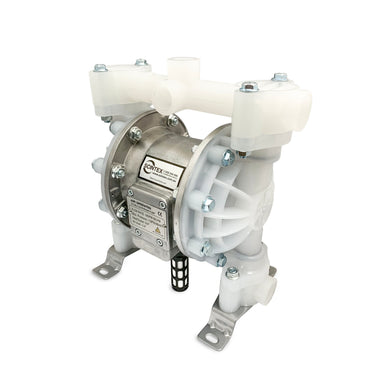
Our pneumatic pumps range includes the aluminium air diaphragm pump, polypropylene air driven diaphragm pump, aluminium body industrial diaphragm pneumatic lubricant pump. Shop the range online and we ship fast Australia wide.

Pneumatic diaphragm pumps are widely used for transferring chemicals, oils, wastewater, slurries, paints and fluids containing suspended solids. They are useful where electric motors are undesirable, variable flow is required or the pump may occasionally run dry. The selected body, diaphragm, ball and seat materials must be compatible with the fluid.
Start with the required flow rate, discharge pressure, suction lift, viscosity, solids size and fluid compatibility. Then confirm the available compressed-air pressure and volume, port size and preferred connection type. Published maximum flow is normally measured under ideal conditions, so allow for losses caused by hose length, lift, viscosity and restrictions.
Many air-operated diaphragm pumps can run dry for limited periods and will stall safely against a closed discharge without the same damage risk as some rotary pumps. However, continuous dry running increases diaphragm cycling and wear, while trapped pressure can still create a safety hazard. Follow the specific pump instructions and isolate air before servicing.
Common causes include inadequate air supply, blocked silencers, clogged suction lines, air leaks, worn diaphragms, stuck check balls, excessive suction lift or fluid that is too viscous for the installation. Ice can also form in the air valve or exhaust during rapid operation. Diagnose the air system and fluid path systematically before dismantling the pump.
Regularly inspect diaphragms, check balls, seats, seals, air valves, mufflers and hose connections. Keep the air supply clean and appropriately regulated, drain moisture from the compressor system and tighten external fasteners to the manufacturer’s specification. Replace diaphragms as a set where recommended and fully relieve both air and fluid pressure before maintenance.