Skip to content

SHOP ONLINE or CALL 📞 1300 246 406 | MON - FRI 7AM - 5PM

SHOP ONLINE or CALL 📞 1300 246 406 | MON - FRI 7AM - 5PM

Post Hole Diggers & Augers

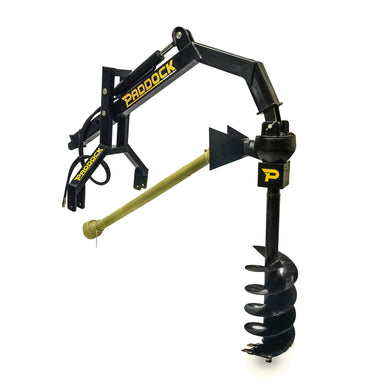
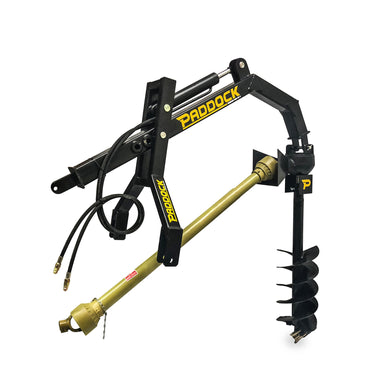
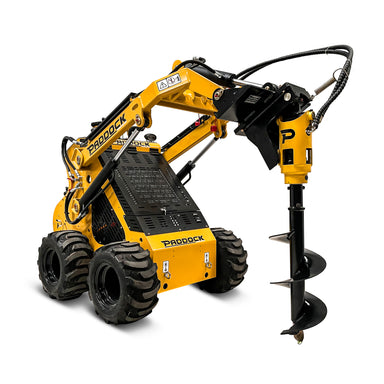
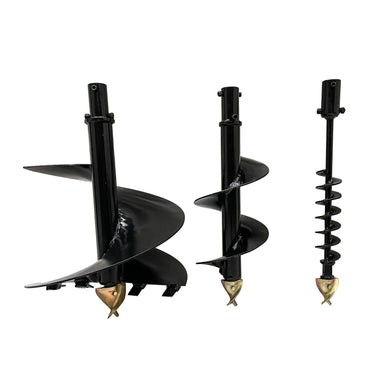
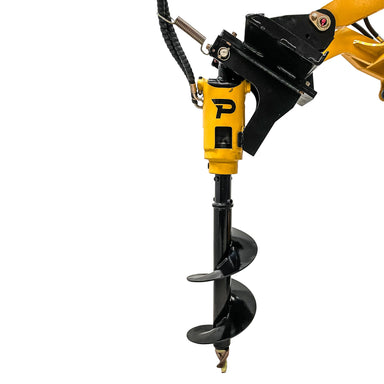
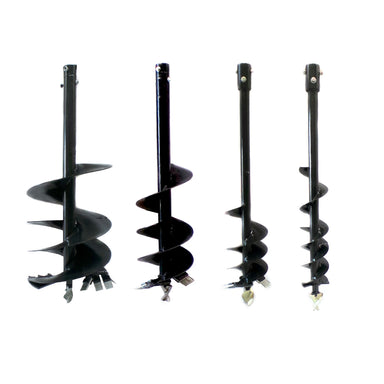
Match the digger’s power and connection type to the job, then choose an auger diameter that provides sufficient clearance around the post for alignment and backfilling. Consider the post dimensions, required hole depth, soil type and available machine capacity. Larger augers require substantially more torque and may not suit every power head or ground condition.
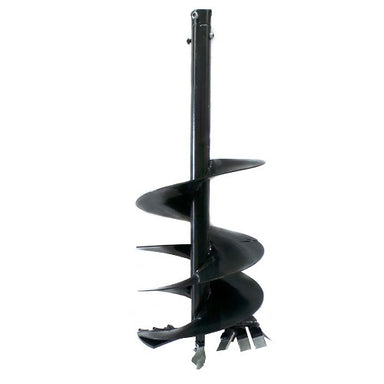
Standard earth augers suit many loam and garden soils, while clay and heavy ground may benefit from aggressive cutting teeth and a slower, controlled feed. Rocky or compacted ground may require specialised teeth or a pilot point, but augers are not designed to drill through large solid rock. Stop and clear obstructions rather than forcing the machine.
Maximum depth depends on the auger length, power head and any approved extension shafts. Extensions increase leverage and load on the driveline, so only use compatible components and follow the manufacturer’s limits. Deep holes may also require staged spoil removal, as a fully loaded auger can be difficult and unsafe to lift from the ground.
Release the throttle or power immediately and isolate the machine before approaching the auger. Do not try to free it by hand while the drive is engaged. Use the approved reverse function, if fitted, or carefully remove soil around the flighting and follow the product instructions. Inspect the shaft, pin and gearbox after any severe jam.
Clean soil from the flights and cutting head after use, inspect teeth, pilot points, retaining pins and welds, and replace worn cutting components promptly. Check gearbox oil or grease where applicable, keep fasteners tight and inspect handles, guards and driveline connections. Bent shafts, cracked flights or excessive gearbox movement should be repaired before further use.