Skip to content

SHOP ONLINE or CALL 📞 1300 246 406 | MON - FRI 7AM - 5PM

SHOP ONLINE or CALL 📞 1300 246 406 | MON - FRI 7AM - 5PM

Surface Screeds

Paddock construction equipment offers vibratory screeds for achieving a professional finishing to your concrete work. Heavy duty trade quality equipment designed for professional use.

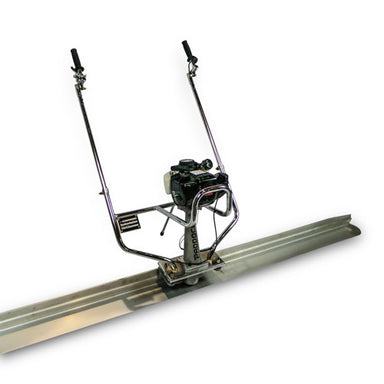
Our range includes the Honda surface finishing screed available in 1.2m, 1.8m, 2.4m, 3.7m and 4.9m options with petrol engines these units are reliable and will not disappoint. With a 2 year warranty and full product support these screeds are sure to deliver a professional finish.

We also stock the Honda vibrating levelling screed for levelling without the need for guide rails. With 1.5m, 2m and 3m options they come with GX25 4 stroke commercial engine and built in blade switch controls to avoid complicated adjustments. 

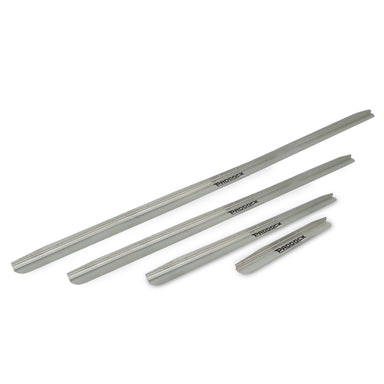
Additionally we stock replacement levelling blades and surface finishing screed blades. We ship fast Australia wide and provide full product and sales support.

Choose a blade long enough to span the working width while remaining manageable for the crew and site access. Lighter surface-finishing screeds suit wet screeding and smaller pours, while heavier vibrating levelling screeds provide stronger consolidation and are better suited to wider or more demanding slabs. Longer blades increase coverage but require more control and may flex if poorly supported. Match the blade, drive unit and screeding method to the pour size and concrete consistency.
Vibration helps settle and consolidate fresh concrete, bring paste to the surface and reduce high spots and voids while the blade strikes the slab to level. Too little vibration may leave poor consolidation and an uneven surface, while excessive vibration or slow travel can encourage segregation and bring too much slurry to the top. Use a steady pace and adjust technique to the concrete mix and slab depth.
Some surface-finishing screeds are designed to work from the wet concrete and may not require conventional guide rails, while other levelling methods rely on forms, rails or accurately established edges. The correct technique depends on the screed design, blade length, slab width and required tolerances. Establish level references before pouring and follow the operating method specified for the individual machine.
Uneven travel speed, inconsistent blade angle, concrete that is too wet or too stiff, insufficient material ahead of the blade and excessive pressure can all affect the finish. A bent or damaged blade, loose mounting hardware or vibration that is not distributed evenly may also cause waves. Keep a consistent concrete head, avoid repeatedly stopping in one location and inspect the blade for straightness before each pour.
Wash and scrape concrete from the blade and frame immediately after use without directing water into the engine, bearings or electrical components. Inspect the blade for bends, cracks and worn mounting points, and check handles, isolators, fasteners and the vibration drive. Service the engine or motor as specified and store the blade supported along its length so it does not distort.