Skip to content

SHOP ONLINE or CALL 📞 1300 246 406 | MON - FRI 7AM - 5PM

SHOP ONLINE or CALL 📞 1300 246 406 | MON - FRI 7AM - 5PM

Tank & Skin Fittings

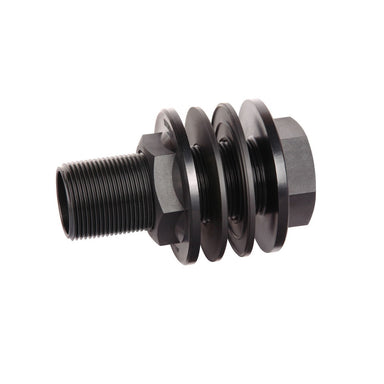
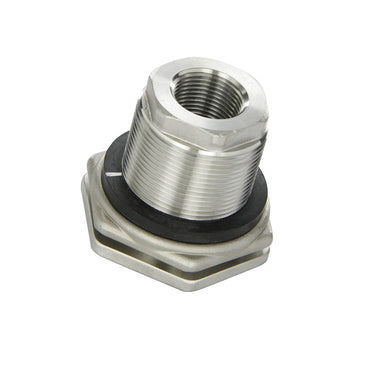
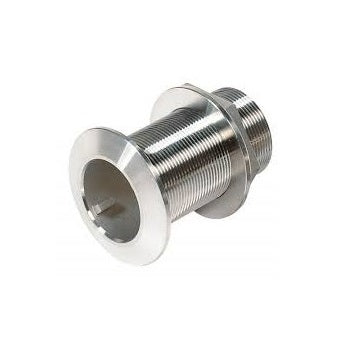
Stainless steel skin fittings and Nyglass nylon irrigation and tank fittings. Easy fitment to our range of cone bottom tanks. Allows drain to zero. Includes gaskets and seals there are no leaks at the tank wall or surface.
Both pass through a tank or vessel wall, but the terms are often used for slightly different applications. Tank or bulkhead fittings commonly provide a threaded connection through a plastic tank, with a flange and gasket sealing against the wall. Skin fittings are widely used through boat hulls, tanks and panels and may be designed for hose tails, drains or external outlets. The important factors are wall thickness, hole size, thread type, material and whether the fitting is intended to seal from one side or requires access to both sides for tightening.
Use the hole diameter specified for the fitting rather than measuring the thread's outside diameter and guessing. The sealing flange and gasket need adequate flat surface around the hole, while the threaded body must pass through without forcing or excessive clearance. Mark the location away from mould lines, tight curves, ribs and areas where the internal nut cannot be reached. Use a sharp hole saw at moderate speed, support the tank wall and remove all swarf. Deburr both sides carefully without chamfering away the flat sealing surface.
The gasket should normally provide the seal between the fitting flange and tank wall. A sealant may be specified for some fittings or irregular surfaces, but using a large amount of silicone or thread tape under the gasket can make it slide, squeeze out or tighten unevenly. Thread sealant or PTFE tape is generally applied only to suitable tapered threaded connections attached to the fitting, not automatically to the bulkhead's gasket faces. Confirm chemical compatibility and follow the fitting manufacturer's instructions, especially for fuel, drinking water, AdBlue or aggressive chemicals.
Leaks are often caused by an oversized or poorly cut hole, a gasket installed on the wrong side, debris under the seal, a curved mounting surface or overtightening that distorts the tank wall and squeezes the gasket out. Cross-threaded valves and unsupported pipework can also place leverage on the fitting. Drain and clean the tank before inspection, then confirm the flange sits flat and the body is not cracked. Tighten only enough to compress the gasket evenly. Heavy hoses, pumps or rigid plumbing should be independently supported rather than hanging from the tank wall.
Material choice must be based on the exact liquid, concentration, temperature and exposure time. Polypropylene and polyethylene fittings are common for water and many agricultural chemicals, while brass, stainless steel and aluminium suit selected fuel, marine and industrial duties. However, no material is universally compatible: some fertilisers attack metals, some solvents affect plastics and some drinking-water systems require approved materials. Check compatibility for the fitting body, gasket, O-ring and any sealant—not just the visible connector. Where the liquid is hazardous or valuable, obtain written compatibility confirmation before installation.