


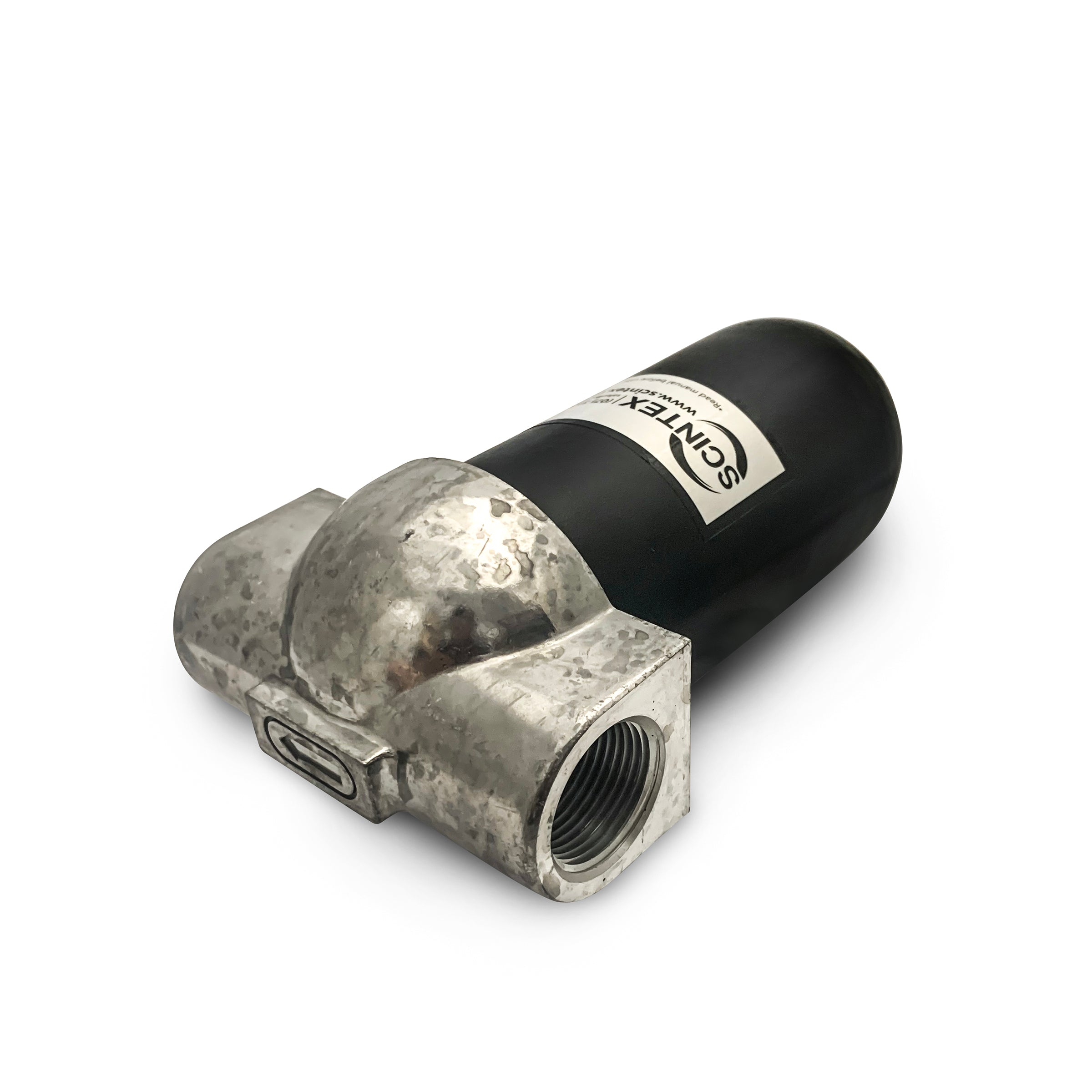
In-Line Fuel Filter / Strainer – 100 Micron, 1" BSP
Description
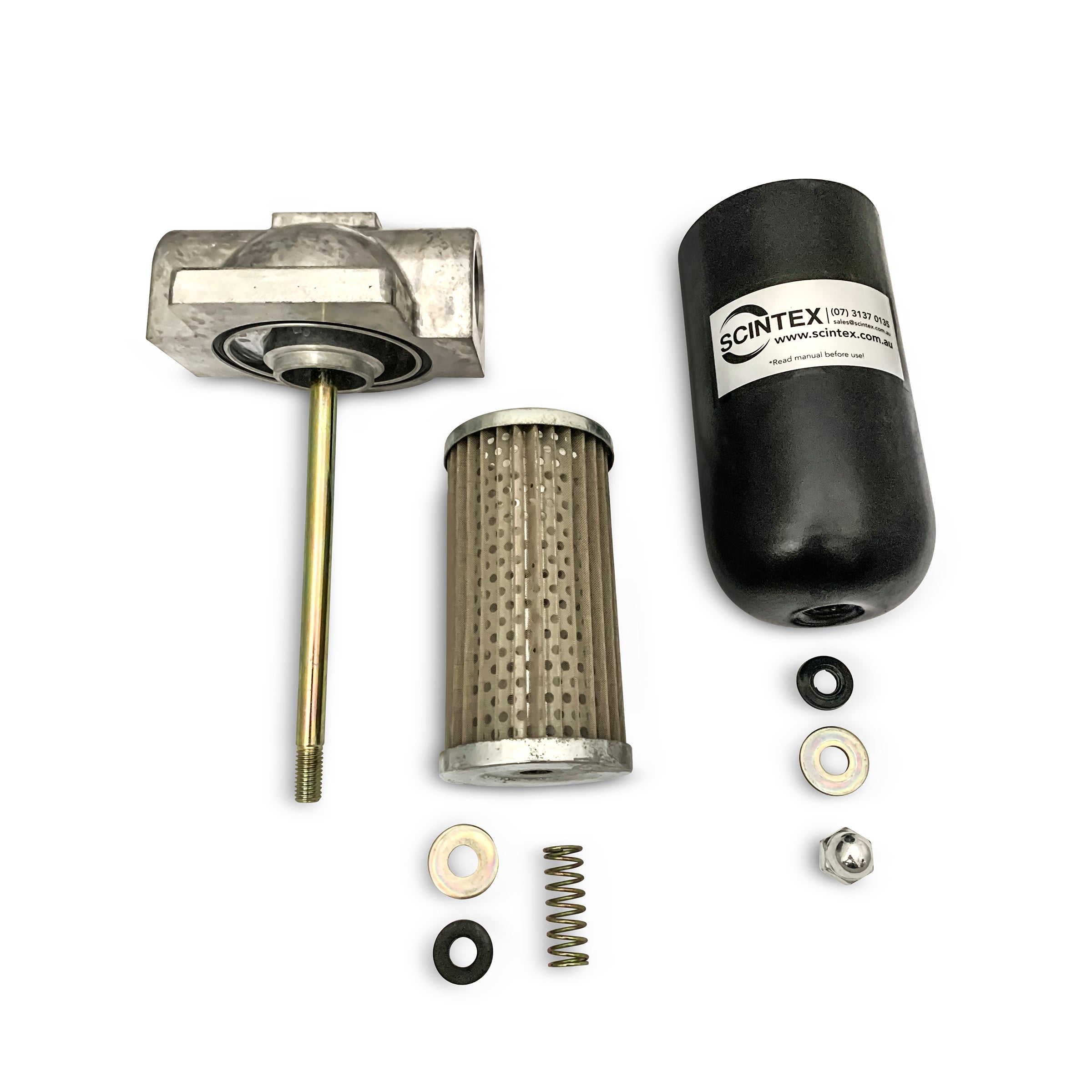
Protect fuel transfer pumps and equipment from rust, scale and larger debris with this reusable in-line fuel filter / strainer. Featuring a washable 304 stainless steel 100 micron mesh, the strainer can be cleaned and reused without requiring disposable replacement filter elements.
With 1" BSP inlet and outlet connections and a Viton seal, it is suitable for a range of compatible fuel, oil and liquid transfer systems and can be installed on the suction or discharge side of a suitable pump.
Reusable In-Line Fuel Filter / Strainer – 100 Micron
This compact in-line strainer provides a simple way to help protect pumps and downstream equipment from larger contaminants commonly found in fuel and storage tanks.
The internal 100 micron (0.1mm) stainless steel mesh captures larger particles while allowing the strainer to be removed, washed and returned to service when required.
Fuel Strainer Features
- 100 micron / 0.1mm filtration
- Reusable and washable filter mesh
- 304 stainless steel mesh construction
- No disposable filter element required
- 1" BSP inlet and outlet
- Viton seal
- Suitable for suction or discharge-side installation in compatible systems
- Helps protect pumps from rust, scale and larger tank debris
- Suitable for a range of compatible fuels, oils and liquids
- Compact in-line design
- 24 month Scintex warranty
100 Micron Stainless Steel Mesh
The strainer uses a 304 stainless steel mesh rated at 100 micron (0.1mm).
This relatively coarse filtration is designed primarily for removing larger contamination such as rust particles, scale and debris before it reaches pumps and other equipment.
Where finer filtration or water separation is required, an appropriate downstream fuel filter or water separator should be used in addition to the strainer.
Washable & Reusable
Unlike a disposable cartridge filter, the stainless steel mesh can be removed and cleaned when contaminated, then returned to service once correctly cleaned and inspected.
Cleaning frequency will depend on the cleanliness of the tank, transferred liquid and operating conditions. A significant build-up of contamination can restrict flow and affect pump performance.
Pump Protection
Installing a suitable strainer can help prevent larger contaminants from entering the gears, vanes or other internal components of a transfer pump.
This can be particularly useful with fuel tanks, drums and other storage systems where rust, scale or debris may accumulate over time.
Some pump manufacturers specify suction-side filtration as part of their installation requirements. Always follow the requirements of the particular pump being used.
Suction or Discharge Installation
The strainer is suitable for installation on the suction or discharge side of a compatible pump, subject to the requirements of the pump and transfer system.
For suction-side installations, minimise unnecessary restrictions and ensure all threaded connections, fittings and hoses are correctly sealed against air ingress. Air leaks or excessive suction restriction can affect pump priming, flow and performance.
Compatible Fluids
The supplied compatibility information includes:
- Petrol
- Diesel
- Biodiesel
- Kerosene
- Methanol
- Ethanol
- Light oils
- Vegetable oils
Fluid compatibility depends on all wetted materials, including the 304 stainless steel mesh and Viton seal. For solvents, unusual fuel blends or other chemicals, confirm material compatibility with the specific liquid and operating conditions before use.
In-Line Fuel Strainer Specifications
| Specification | Details |
|---|---|
| Product Type | Reusable in-line filter / strainer |
| Filtration | 100 micron / 0.1mm |
| Filter Media | 304 stainless steel mesh |
| Filter Type | Washable / reusable |
| Inlet | 1" BSP |
| Outlet | 1" BSP |
| Seal | Viton |
| Stated Compatible Fluids | Petrol, diesel, biodiesel, kerosene, methanol, ethanol, light oils and vegetable oils |
| Overall Height | Approx. 220mm |
| Overall Width | Approx. 120mm |
| Outer Diameter | Approx. 80mm |
| Warranty | 24 months |
Installation Considerations
Select hose, fittings and other components to suit the transferred liquid, required flow rate and operating conditions. Scintex can also supply a range of compatible hose and fittings for integrating the strainer into fuel and liquid transfer systems.
Install the strainer where it remains accessible for routine inspection and cleaning. After servicing, ensure the housing and seal are correctly reassembled and check the system for leaks before returning it to operation.