Skip to content

SHOP ONLINE or CALL 📞 1300 246 406 | MON - FRI 7AM - 5PM

SHOP ONLINE or CALL 📞 1300 246 406 | MON - FRI 7AM - 5PM

Biodiesel Filtration

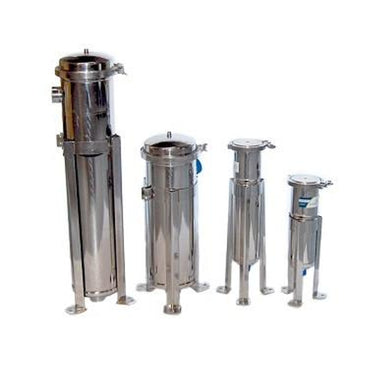
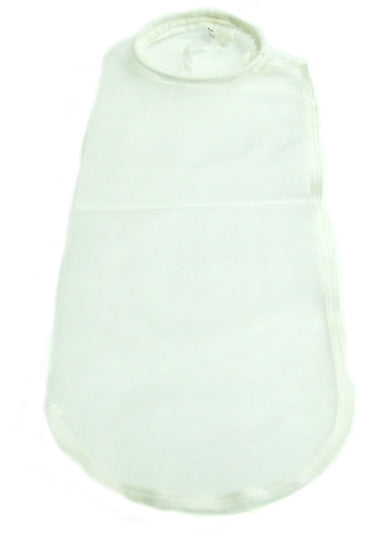
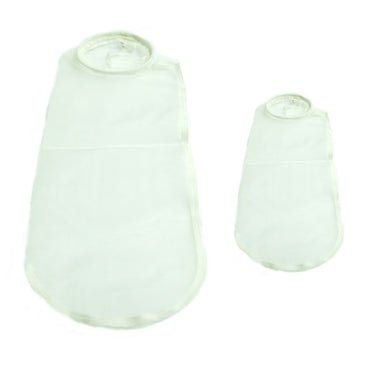
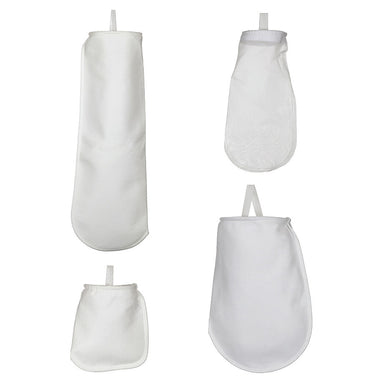
Biodiesel filtration can be broken down into two steps. Firstly, filtering the feed stock vegetable oil. Generally a course filter is enough such as running it through a large mesh filter bag. However, you can reduce your final purification costs by doing a more stringent oil filtration for example by using a centrifuge. Once the biodiesel reaction and separation phase are complete you need to polish the biodiesel so it is ready for use in your vehicle. For this we recommend dry washing and filtering with a 100 Micron filter bag to remove the silicate adsorbant. After this filter to at least 5 microns and preferably 1 micron. If you leave the fuel sitting for long periods you should perform a polishing filtration as small particles and colloids in the fuel tend to aggregate with time and can lead to particles large enough to block filters. When using high pressure common rail diesel engines you should be extra diligent when polishing your fuel as there is less room for error.
Filtration removes contaminants and water that can affect engine performance and fuel system reliability.
The ideal micron rating depends on the stage of filtration and your engine manufacturer's recommendations.
Some filter systems are designed to separate water as well as particulate contamination.
Replace filters when flow decreases, contamination is evident or according to the recommended service interval.
Properly filtered fuel helps protect pumps, injectors and other precision fuel system components.