

Oil & Fuel Centrifuges – Engine Oil, Diesel & Biodiesel
Description
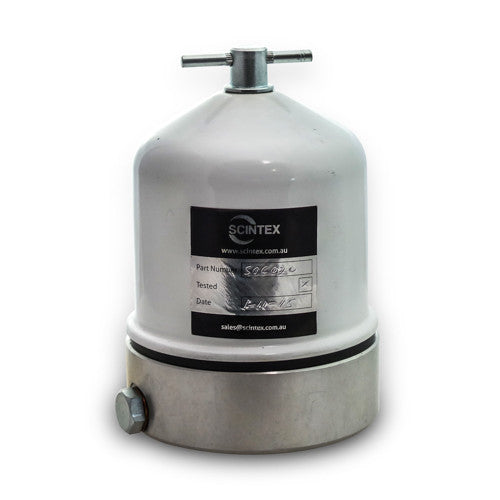
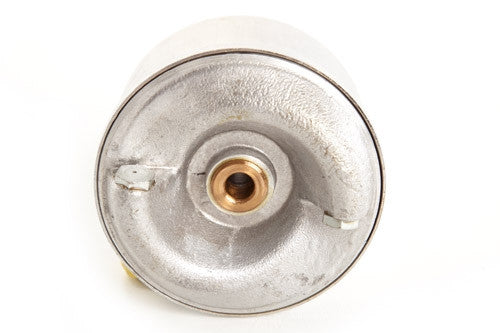
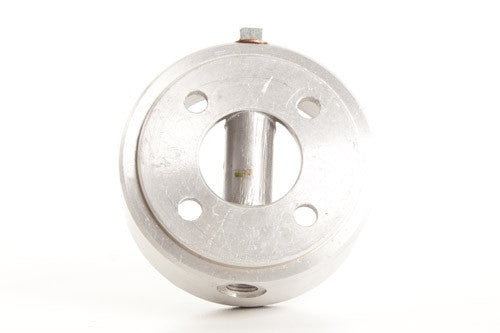
The Scintex Oil & Fuel Centrifuge range provides high-efficiency centrifugal separation for engine oil, diesel, biodiesel, hydraulic oil and other compatible fluids. By spinning the internal rotor at more than 7,000 RPM, the centrifuge generates very high centrifugal force to separate fine solid contamination from the circulating liquid.
Two sizes are available for different flow requirements, including models suited to engine oil bypass filtration systems with sump capacities from approximately 8L to 90L.
Oil & Fuel Centrifuges
Centrifugal separators use high rotational speed to separate contaminants of different density from the fluid being processed.
As fluid passes through the centrifuge, the internal rotor spins at more than 7,000 RPM, generating centrifugal forces of approximately 2,000 times gravity. Heavier solid contamination is driven towards the inside wall of the rotor where it collects for later cleaning.
Oil Centrifuge Features
- Suitable for engine oil, diesel, biodiesel, SVO and other compatible fluids
- Designed for very fine particulate separation
- Internal rotor speed greater than 7,000 RPM
- Generates approximately 2,000× gravitational force
- Suitable for engine oil bypass filtration applications
- Cut-off valve supplied as standard
- Two centrifuge sizes available
- Maximum operating pressure of 101 PSI / 7 bar
- Maximum fluid temperature of 98°C
- Nickel-plated wetted components
- 3 year warranty
How an Oil Centrifuge Works
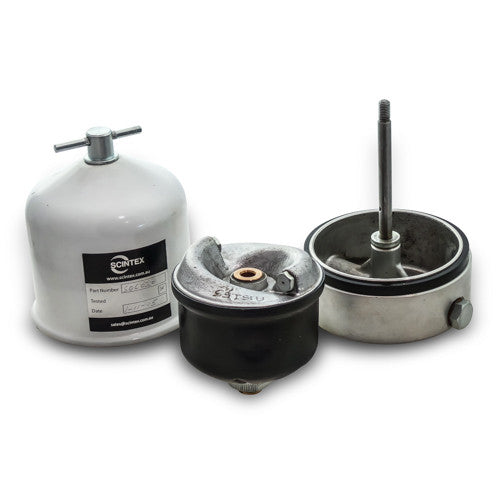
The centrifuge is supplied with pressurised fluid, which drives the internal rotor at high speed. As the rotor accelerates, centrifugal force causes heavier contamination to separate from the liquid and collect on the internal rotor wall.
The cleaned fluid then leaves the centrifuge and returns to the system.
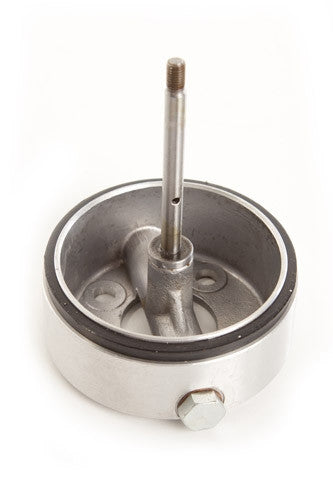
Unlike conventional disposable filter media, the centrifuge collects contamination inside the rotor bowl, which can be opened and cleaned as part of routine maintenance.
Fine Particle Separation
Centrifugal oil cleaners are particularly useful for removing very fine suspended solids such as soot, carbon and wear debris from compatible oils and fuels.
The supplied product information states separation capability down to approximately 0.5 micron under suitable operating conditions.
Actual separation performance will depend on factors including:
- Particle density and size
- Fluid viscosity
- Fluid temperature
- Operating pressure
- Flow rate
- Number of circulation passes
Heating Oil Improves Separation
For best performance, the fluid should have a sufficiently low viscosity to allow effective circulation and separation.
Diesel and other low-viscosity fuels generally flow readily through the centrifuge. Heavier oils may benefit from heating before or during processing.
For oil centrifuging applications, fluid temperatures of approximately 60–80°C can help reduce viscosity and improve flow through the separator, provided the fluid and installation are suitable for these temperatures.
Engine Oil Bypass Filtration
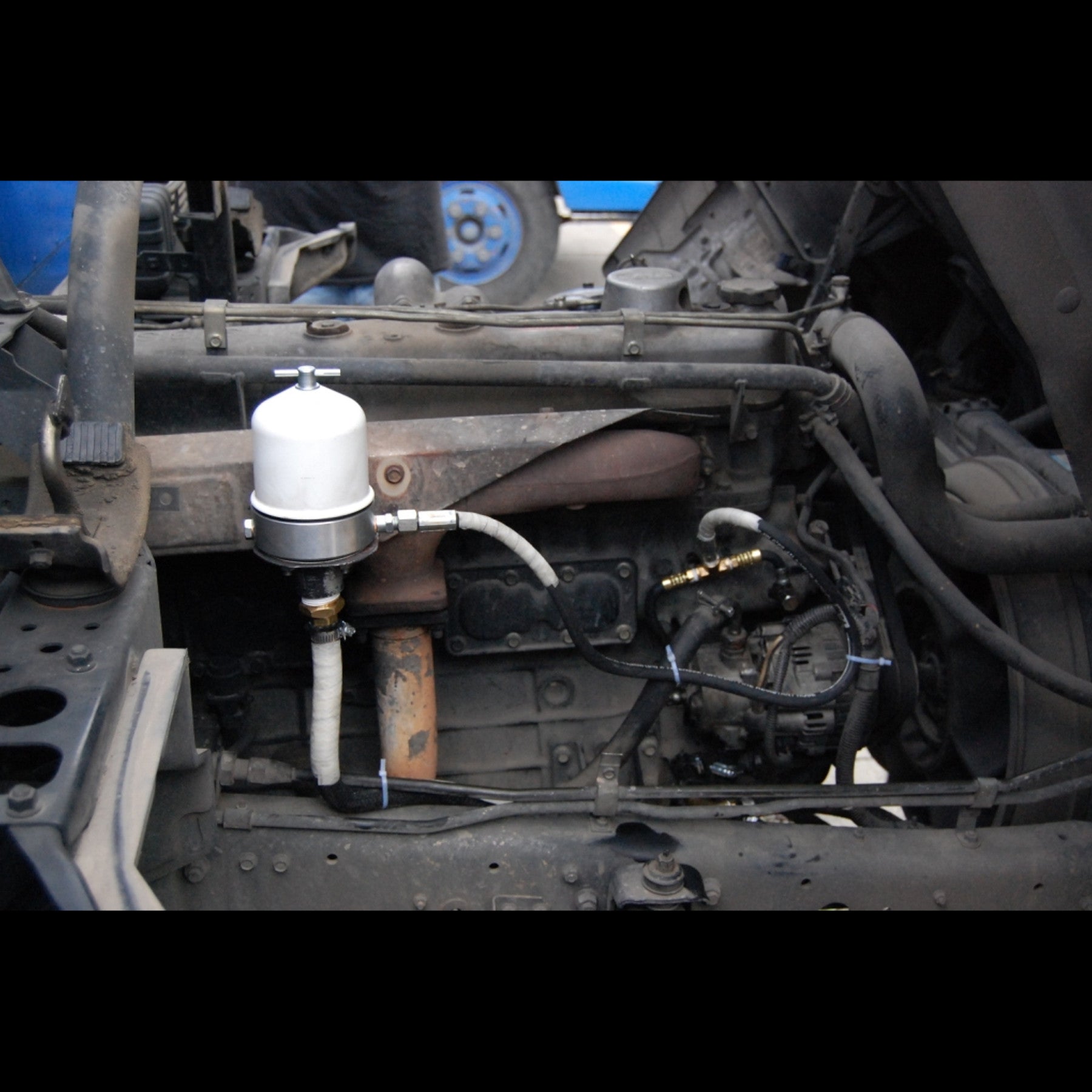
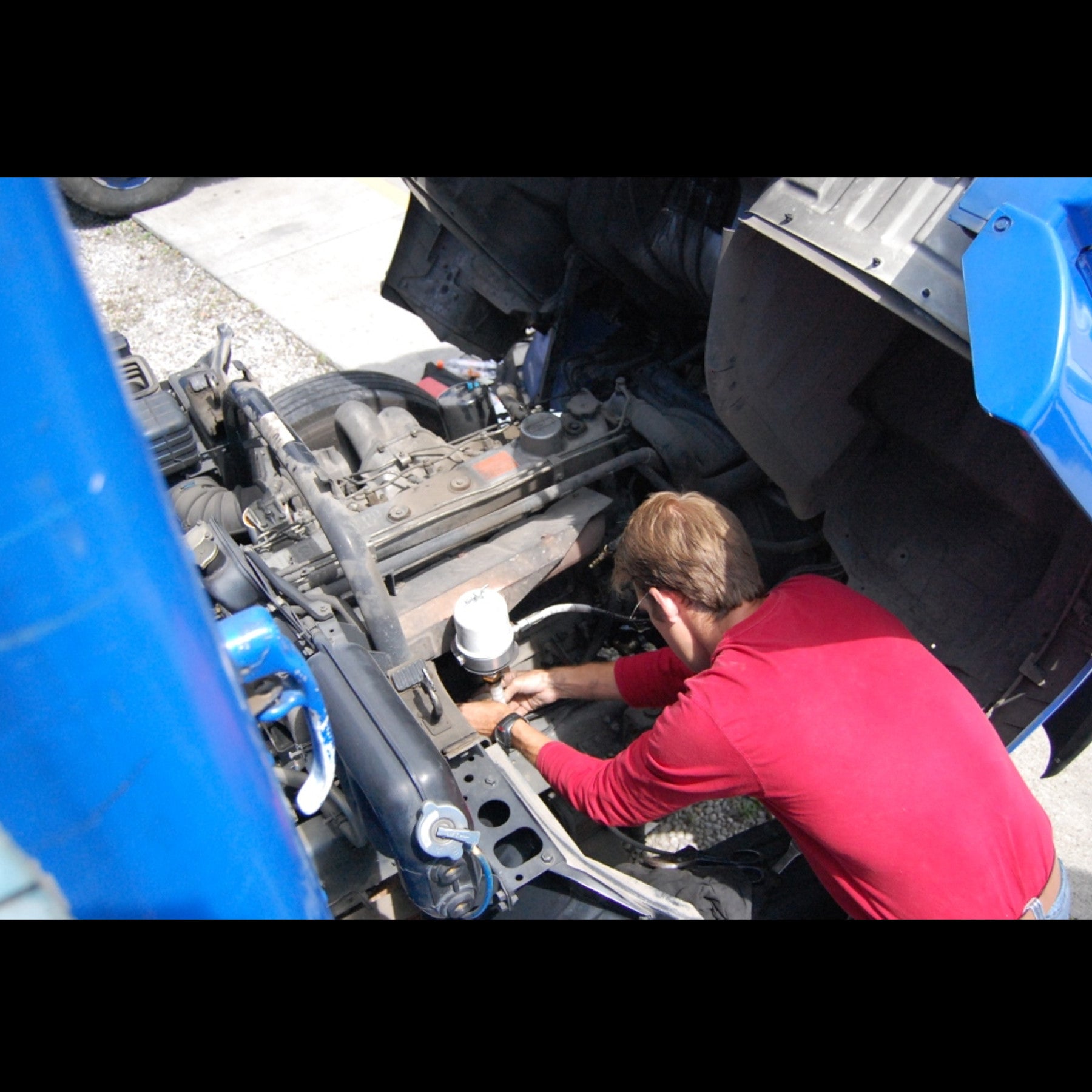
These centrifuges can also be incorporated into compatible diesel-engine oil systems as a bypass oil cleaner.
A small portion of pressurised engine oil is diverted through the centrifuge before returning to the engine sump. This allows fine contamination to be progressively removed while the engine continues to use its conventional lubrication system.
Correct installation is critical. The engine must continue to receive the oil pressure and flow required by the manufacturer at all times.
Integrated Cut-Off Valve
Each centrifuge is supplied with a spring-loaded cut-off valve (C.O.V.) installed at the inlet.
The valve prevents flow through the centrifuge until sufficient inlet pressure is available. Once pressure rises above the valve setting, oil can begin flowing through the centrifuge.
This feature is useful in bypass engine-oil installations because it helps prevent the centrifuge from drawing flow when system pressure is below the required threshold.
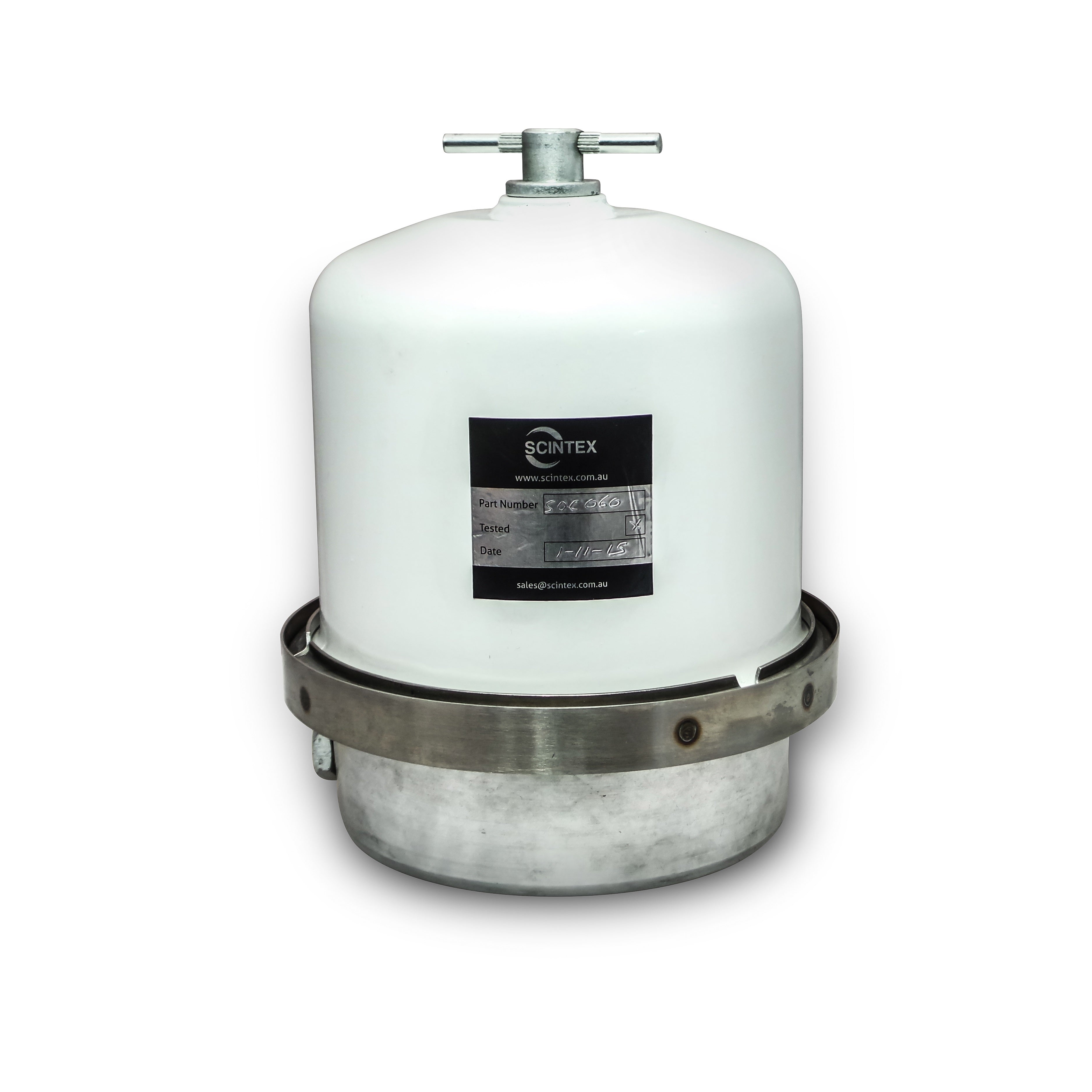
SOC025 – Compact Centrifuge
The SOC025 is the smaller model in the range and is suited to lower-flow applications.
For engine bypass filtration, it is intended for engines with sump capacities of approximately 8–25L.
- Approx. 4.5 L/min flow at 100 PSI
- 0.25L dirt capacity
- 0.32L rotor oil capacity
- 1/4" BSP inlet
- Approx. 1.5kg weight
SOC060 – High-Capacity Centrifuge
The larger SOC060 is designed for higher-flow systems and larger engine oil capacities.
For engine bypass filtration, it is intended for engines with sump capacities of approximately 25–90L.
- Approx. 11 L/min flow at 100 PSI
- 0.6L dirt capacity
- 0.75L rotor oil capacity
- 3/8" BSP inlet
- Approx. 3kg weight
Typical Applications
- Diesel engine oil bypass filtration
- Diesel fuel polishing
- Biodiesel filtration
- Hydraulic oil cleaning
- Used vegetable oil / SVO processing
- Compatible industrial oils
- Fine particulate removal from compatible fluids
Oil Centrifuge Specifications
| Specification | SOC025 | SOC060 |
|---|---|---|
| Flow Rate @ 100 PSI | Approx. 4.5 L/min | Approx. 11 L/min |
| Recommended Engine Sump Capacity | 8–25L | 25–90L |
| Rotor Dirt Capacity | 0.25L | 0.6L |
| Rotor Oil Capacity | 0.32L | 0.75L |
| Inlet Port | 1/4" BSP | 3/8" BSP |
| Minimum Supply Line ID | 6mm | 9.5mm |
| Minimum Oil Drain Line | 20mm | 38mm |
| Cut-Off Valve | Included | Included |
| Minimum Operating Pressure | 43 PSI / 3 bar | 43 PSI / 3 bar |
| Maximum Operating Pressure | 101 PSI / 7 bar | 101 PSI / 7 bar |
| C.O.V. Opening Pressure | 22 PSI / 1.5 bar | 25 PSI / 1.8 bar |
| Maximum Fluid Temperature | 98°C | 98°C |
| Wetted Parts | Nickel plated | Nickel plated |
| Approx. Weight | 1.5kg | 3kg |
| Dimensions | 120mm diameter × 160mm high | 140mm diameter × 240mm high |
| Warranty | 3 years | 3 years |
Engine Installation Considerations
Engine oil pressure varies substantially between engines and operating conditions. The following values from the existing listing are examples only and should not be used as installation specifications for another engine:
- Idle 800–850 RPM: approximately 18 PSI
- 2000 RPM: approximately 40 PSI
- 3000 RPM: approximately 55 PSI
Before installing a centrifuge on an engine, confirm the manufacturer's lubrication requirements and ensure the bypass circuit does not reduce oil pressure or flow below acceptable limits.
Maintenance
Contamination separated from the fluid accumulates inside the rotor and must be periodically removed.
Cleaning intervals will vary substantially depending on engine condition, fluid contamination, operating hours and application. Inspect the rotor at suitable intervals until an appropriate maintenance schedule can be established for your system.
Oil Centrifuge Video
Important
Centrifugal separation performance depends on the fluid, contamination, operating pressure, temperature and installation. Always confirm fluid compatibility and system requirements before use.
For engine bypass installations, ensure the centrifuge is correctly sized and installed so the engine's lubrication system continues to receive the pressure and flow specified by the engine manufacturer.