Skip to content

SHOP ONLINE or CALL 📞 1300 246 406 | MON - FRI 7AM - 5PM

SHOP ONLINE or CALL 📞 1300 246 406 | MON - FRI 7AM - 5PM

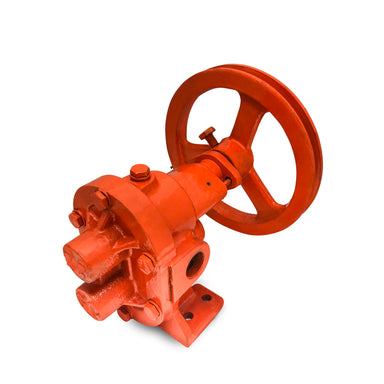
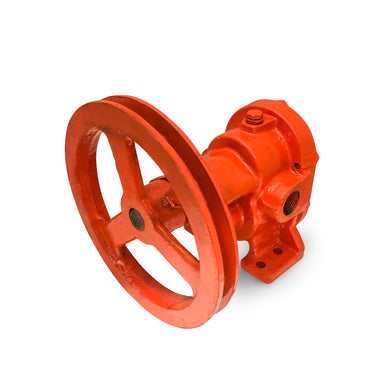
Pulley Drive Pumps

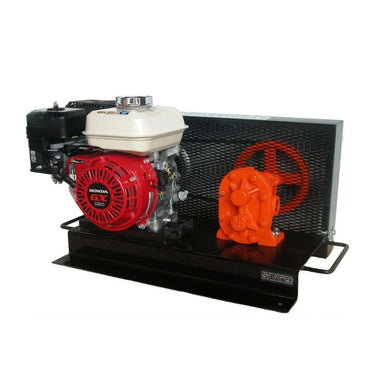
Pulley pumps can be supplied as the pump only or as a pump unit combined with diesel, petrol or electric drive options. Gear pumps are great for transferring heavy weight liquids such as oil and tallows to lighter oils and diesel. Scintex can supply a pulley drive pump unit suitable for your application. We can vary RPMs and offer a range of different horsepower drives from the likes of Honda and Briggs & Stratton.

The pulley drive pump range includes electric driven gear pumps, molasses pump kits, petrol engine gear pumps and pulley driven gear pumps. Please note that some pumps are assembled on demand so we recommend contacting Scintex prior to purchase online. 

Pulley drive pumps are belt-driven units used in agricultural spraying, irrigation, chemical transfer and industrial systems where power is supplied by an engine, motor or line shaft. They offer flexible speed selection through pulley sizing, but require careful alignment, guarding and support. The pump materials must also suit the transferred liquid.
The pulley ratio must produce the pump speed specified for the required flow and pressure. As a general relationship, pump speed changes in proportion to the driver pulley diameter divided by the driven pulley diameter. Confirm the allowable RPM range, motor speed and belt type, and do not exceed the pump’s maximum shaft speed.
Incorrect alignment causes belt tracking problems, vibration and accelerated bearing wear, while excessive tension overloads pump and motor bearings. Insufficient tension allows slipping, heat and reduced pump speed. Align pulley faces and shafts accurately, use matched belts where required and adjust tension according to the belt and pump manufacturer’s instructions.
Only when the pump body, impeller or diaphragms, seals and fittings are compatible with the exact chemical and concentration. Fertilisers and agricultural chemicals can be corrosive or abrasive, and compatibility may vary with temperature. Confirm the product specifications and chemical safety data before use, then flush the pump as recommended.
Regularly inspect belts for cracking, glazing, fraying and correct tension, and check pulleys for wear and secure mounting. Monitor bearings, seals, oil levels and pump output, clean strainers and keep guards fitted. Stop operation if there is belt slip, unusual vibration, leakage, overheating or a sudden change in flow.