
Skip to content

SHOP ONLINE or CALL 📞 1300 246 406 | MON - FRI 7AM - 5PM

SHOP ONLINE or CALL 📞 1300 246 406 | MON - FRI 7AM - 5PM

Petrol Pumps 240V

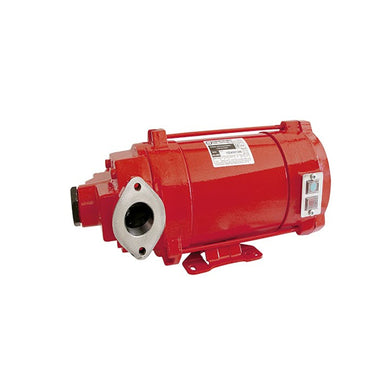
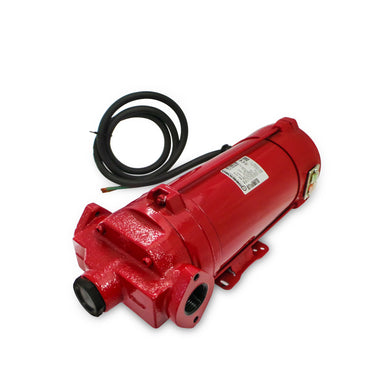
Scintex Unleaded petrol transfer pumps in 240V. These self priming explosion proof pumps are compatible with both diesel and petrol. Continuous duty motor will deliver 70-80LPM petrol or diesel transfer.
A 240V petrol pump is generally best for a fixed refuelling point with dependable mains power, such as a workshop, equipment yard, depot or private fuel installation. It avoids relying on a vehicle battery and can suit regular dispensing from an approved storage tank. Confirm that the selected pump is expressly designed for petrol and for the intended installation environment.
No. Petrol vapour can ignite easily, so only use a pump specifically approved or specified by its manufacturer for petrol and the other fuels being transferred. General-purpose water, oil or diesel pumps may have unsuitable motors, switches, seals or wetted components. Product compatibility must be confirmed before the pump is connected or operated.
Check the approved fuel types, flow and pressure, duty cycle, suction conditions, hose and nozzle compatibility, mounting requirements and electrical supply. The storage tank, pipework, earthing or bonding arrangements and surrounding ventilation must also suit flammable-liquid service. Installation and electrical work should be completed in accordance with the product instructions and applicable requirements.
These accessories are not required for every system, but they can improve control and fuel cleanliness. An automatic shut-off nozzle can reduce overfilling risk when used correctly, a compatible fuel filter helps capture contamination, and a meter records dispensed volume. Every accessory, seal and fitting must be rated for petrol and for the pump’s flow and pressure.
Keep ignition sources away, provide suitable ventilation and never operate damaged or leaking equipment. Inspect the electrical lead, hose, nozzle and connections before use, follow the stated duty cycle and do not leave refuelling unattended. Isolate power before maintenance, and have electrical faults or permanent wiring attended to by a suitably qualified person.